
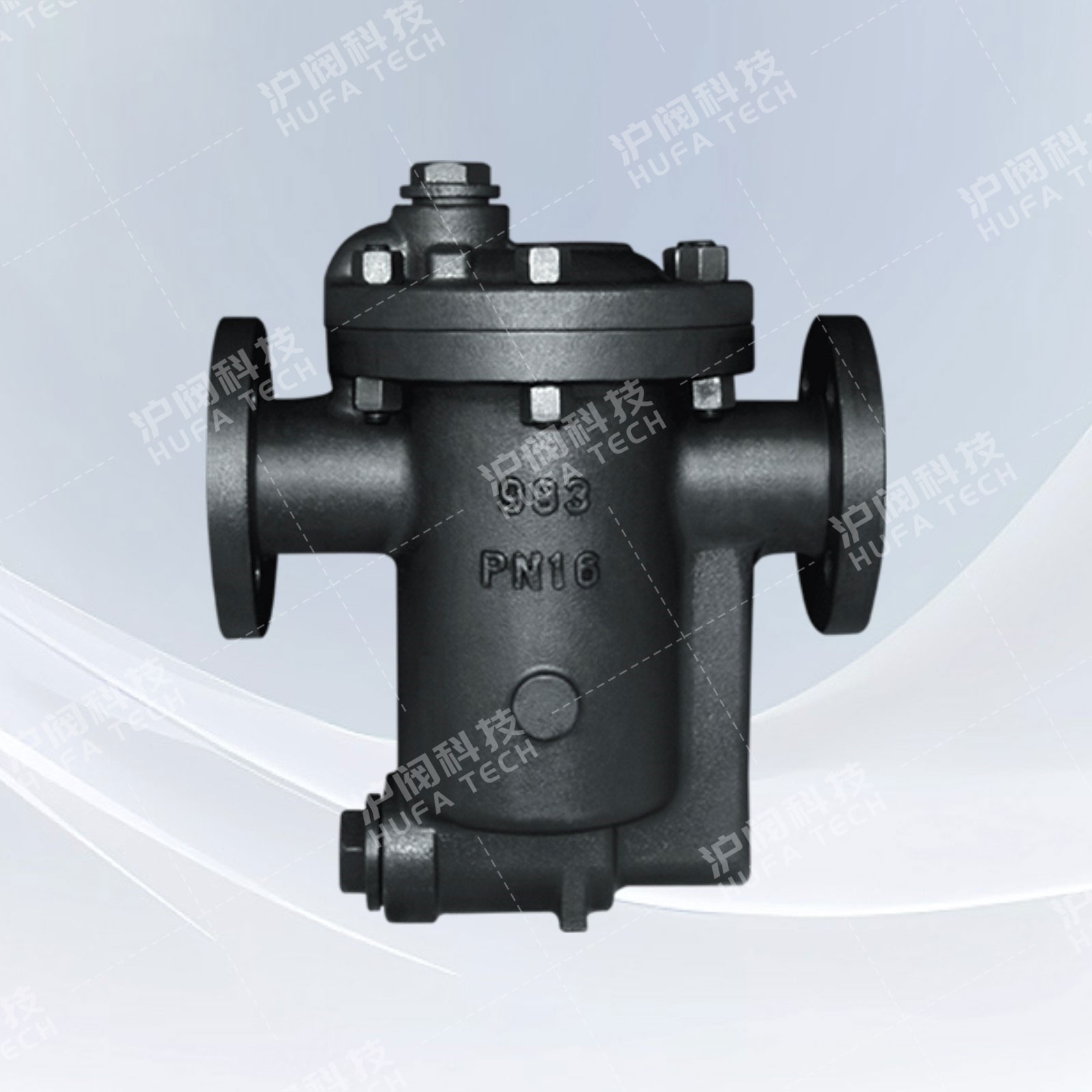
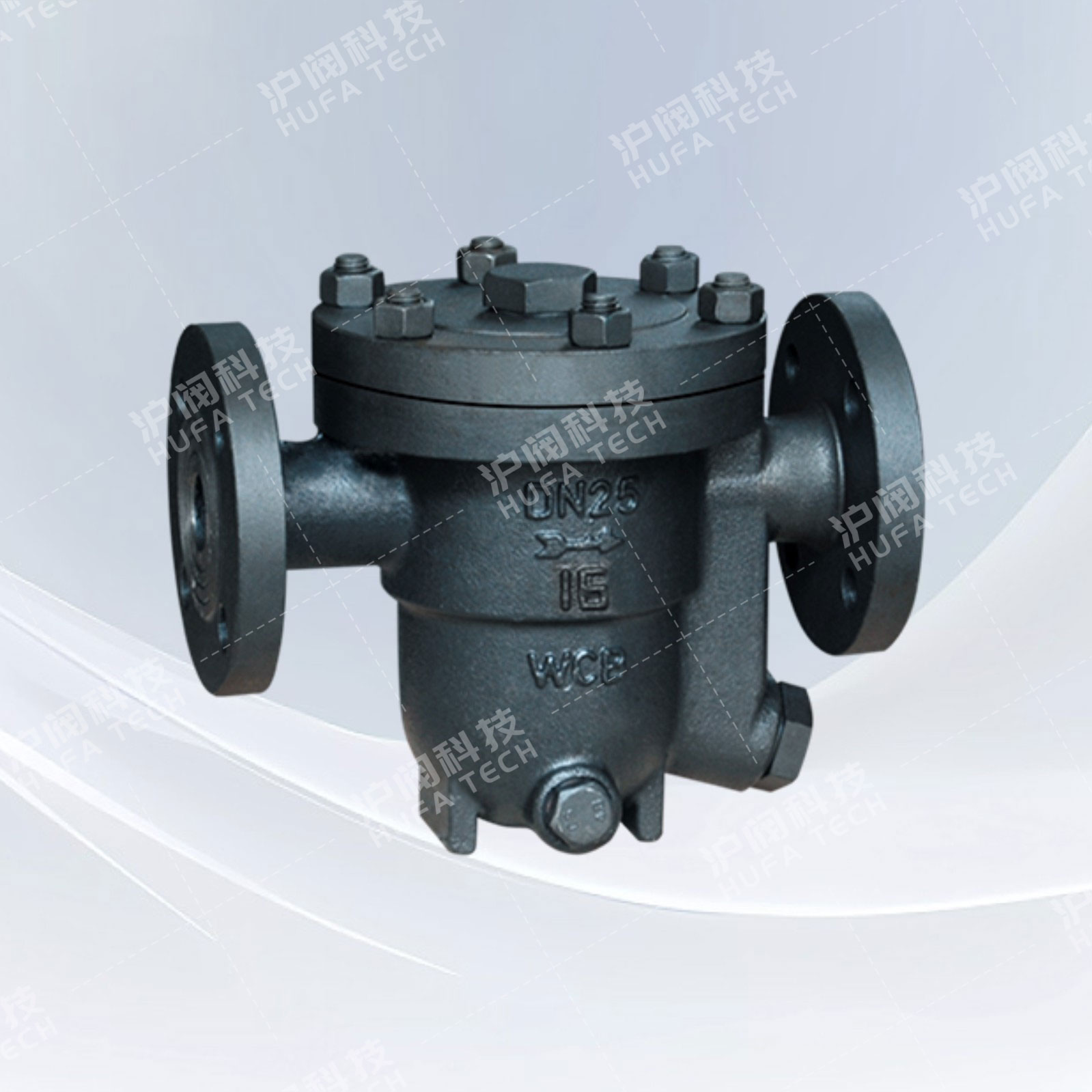
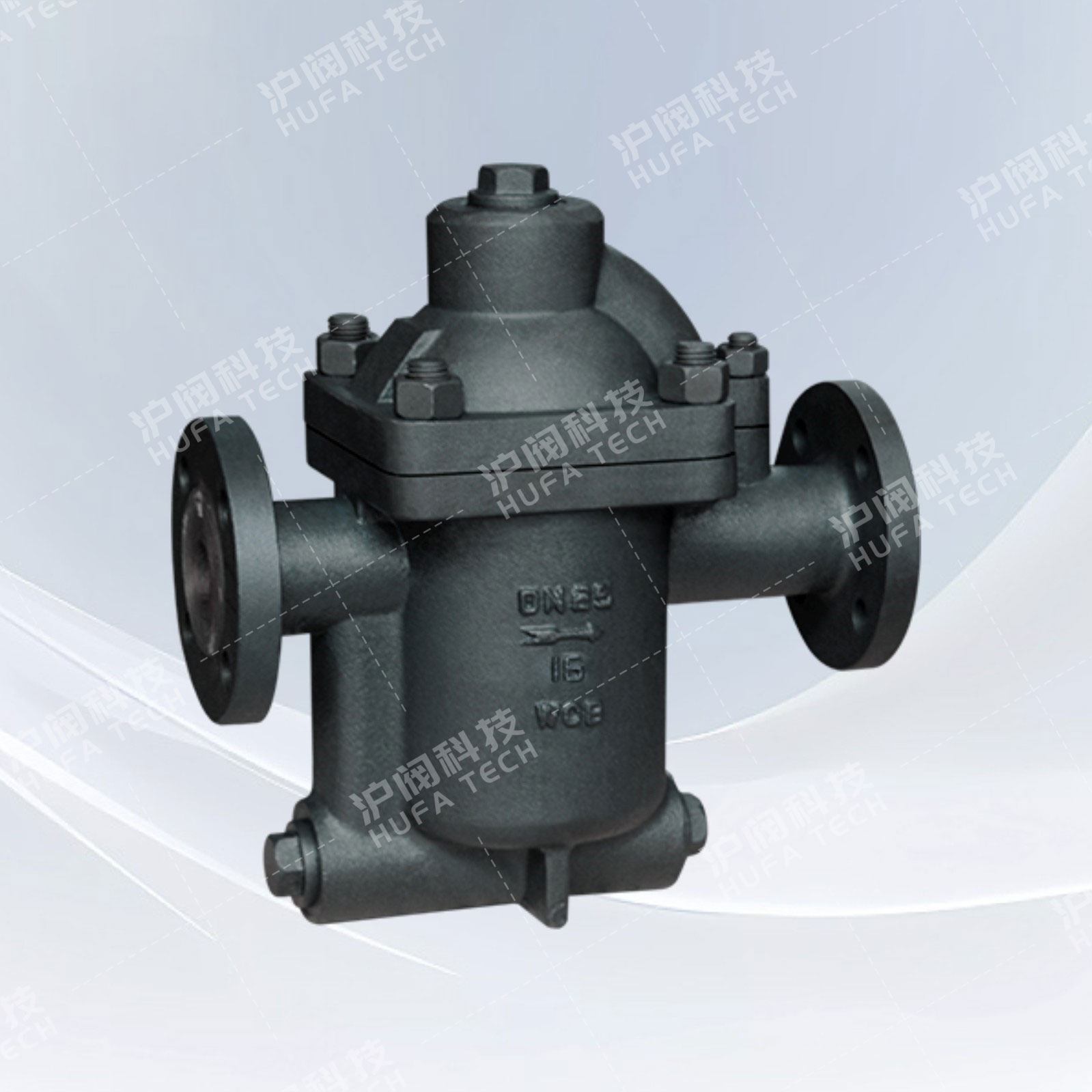
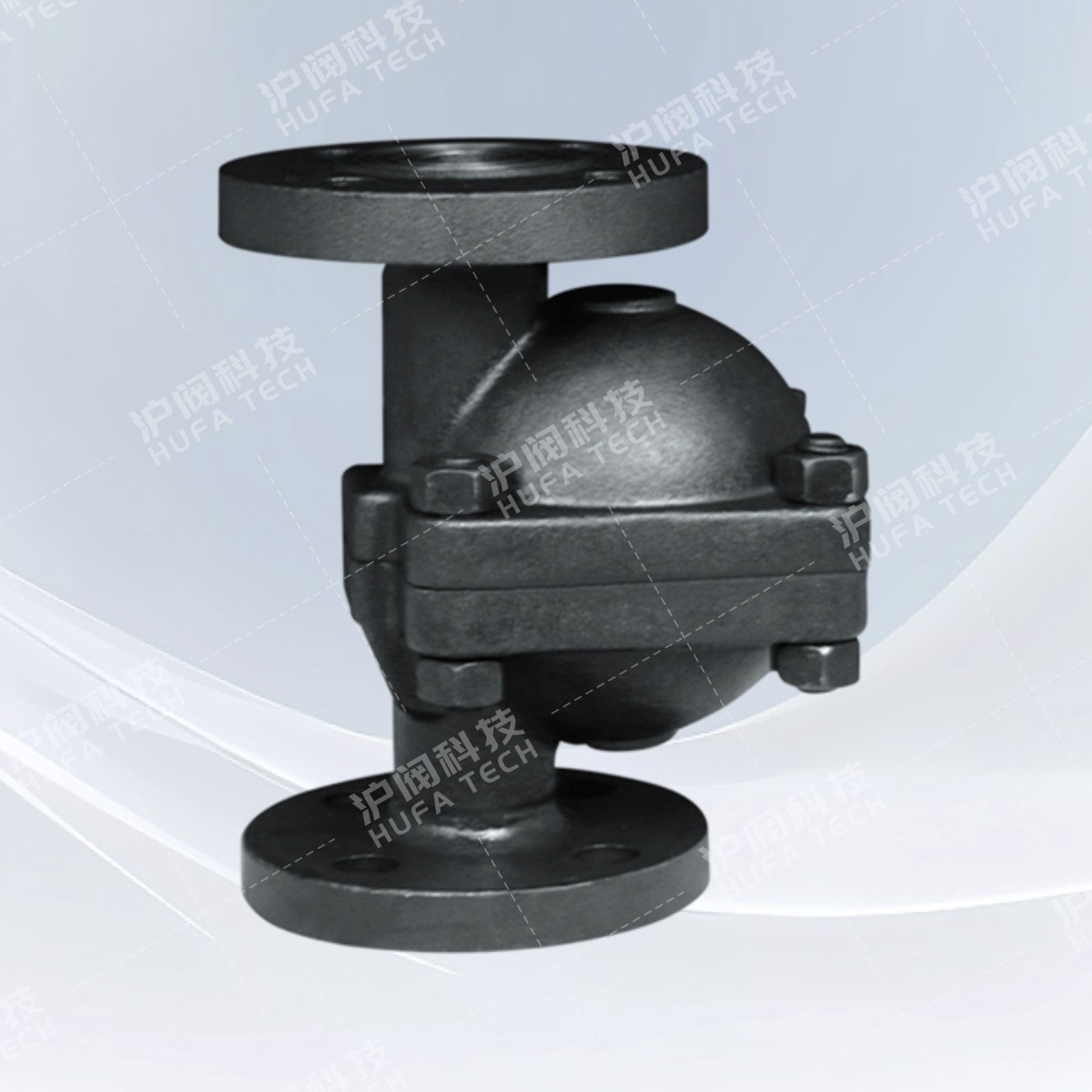
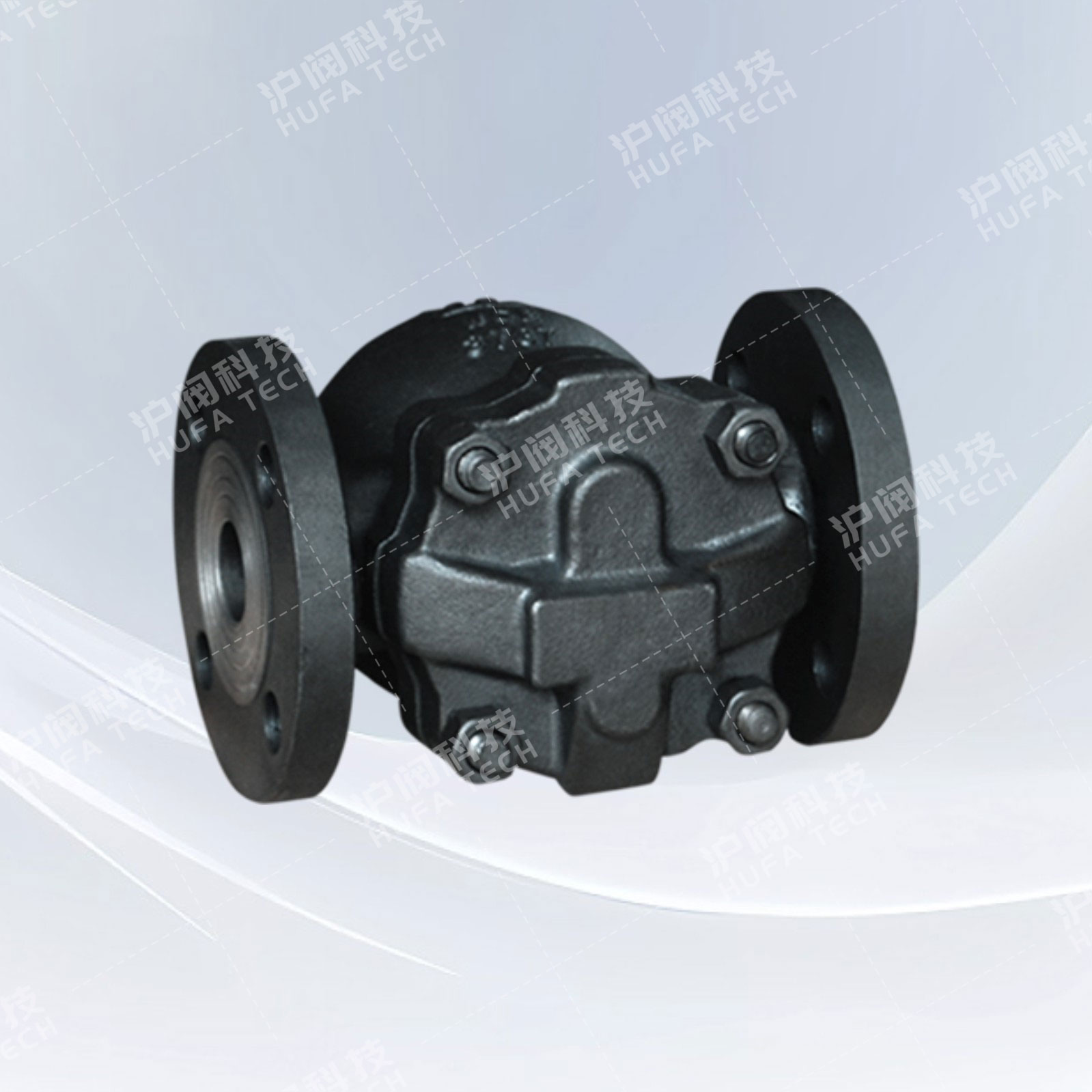
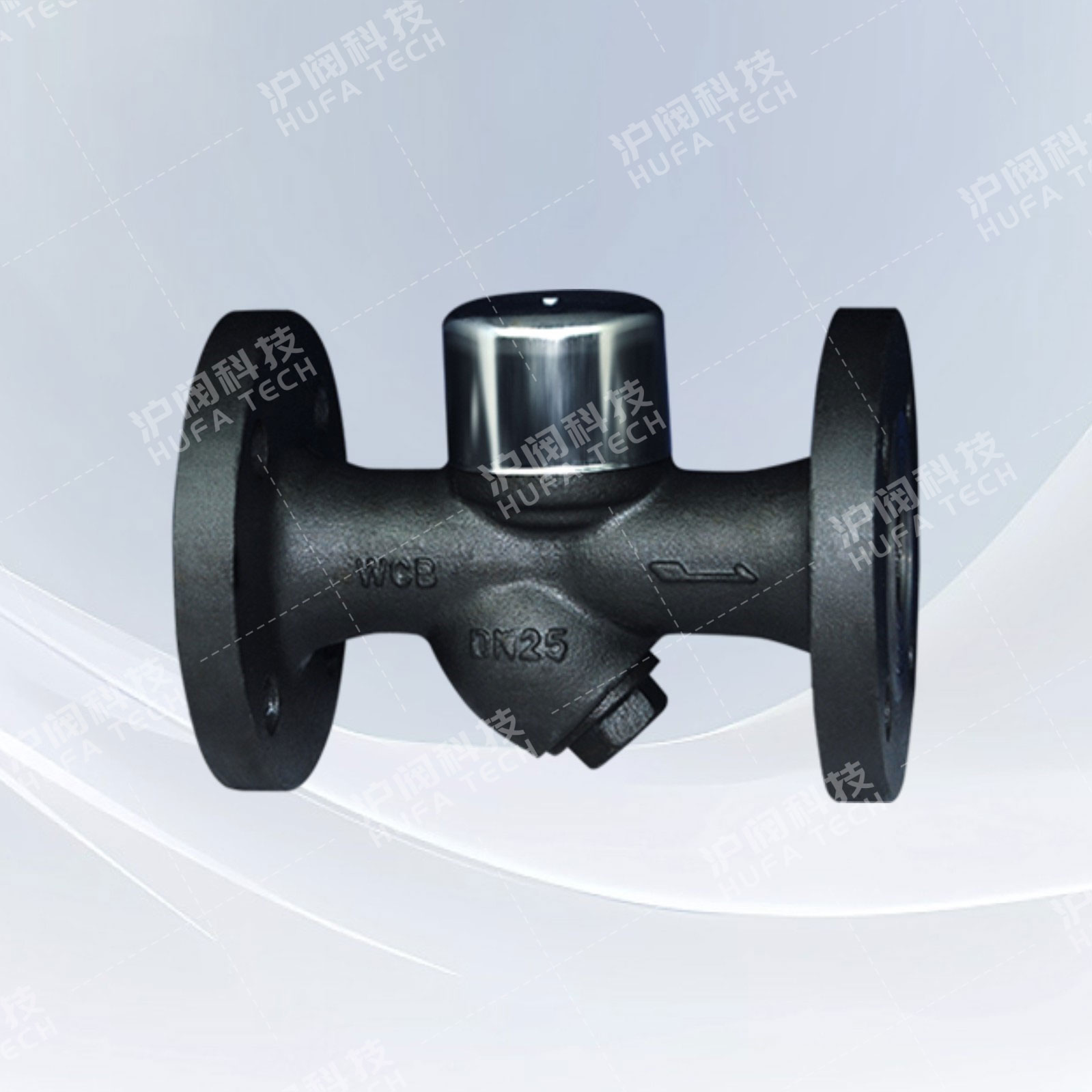
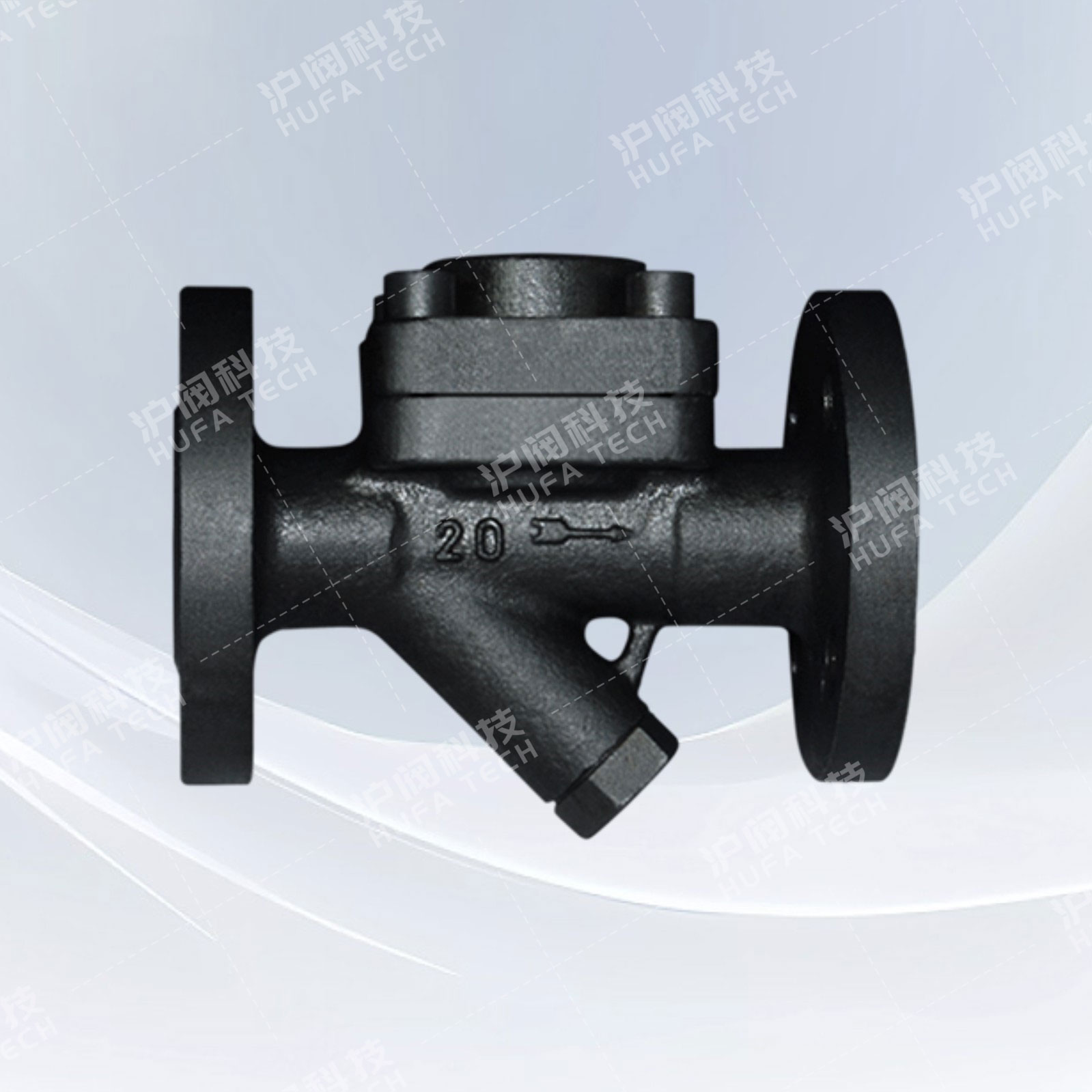
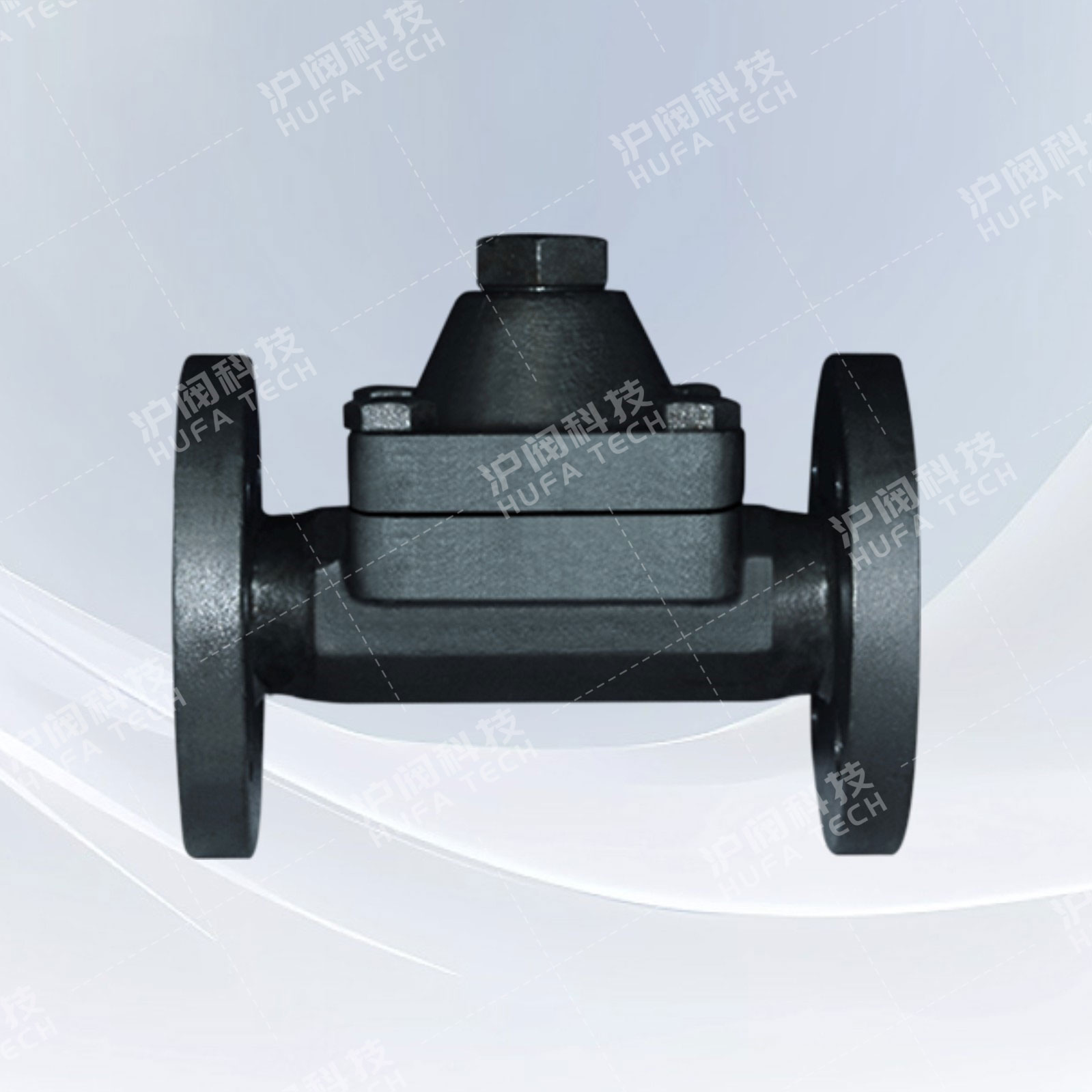
Inverted Bucket Type Steam Trap (Model 983)
Technical Specifications
Product model: 983
Nominal diameter: DN15 - 65mm
Nominal pressure: PN1.6 - 4.0MPa
Working temperature: ≤ 350℃
Main materials: Forged steel, stainless steel, titanium alloy steel, chromium-molybdenum steel, low-temperature steel
Drive method: Manual
Design specification: GB/T 9093
Structural length: GB/T 12250
Thread connection: ISO 228
Flange connection: JB/T 79, GB 9113, ANSI B16.34
Testing and inspection: GB/T 13927
Sales Hotline:
Product Details
Product Overview
Inverted bucket type steam trap: When steam enters the inverted bucket, the inverted bucket generates upward buoyancy. The inverted bucket is connected to a lever which in turn drives the valve core to close the valve. There are small holes on the inverted bucket, which can automatically discharge air. When some steam passes through the small holes, another part of the steam condenses into water. The inverted bucket loses its buoyancy and sinks downward. The inverted bucket is connected to the lever which in turn drives the valve core to open the valve. When steam enters the inverted bucket again, the valve closes again, and the cycle continues, with intermittent drainage.
Working principle
The inverted bucket type steam trap operates based on the density difference between condensate water and steam. Its internal structure consists of a lever system connected to an inverted bucket. It overcomes the steam pressure switch by using the inverted bucket. Inside the device, there is an inverted bucket as the liquid level sensor, with the opening facing downward. When the device is just started, air and low-temperature condensate water appear in the pipeline. At this time, the steam trap is fully open, and the air and low-temperature condensate water are quickly discharged. The temperature of the device rises rapidly. When steam enters the inverted bucket, the inverted bucket generates upward buoyancy. The inverted bucket is connected to a lever, which drives the valve core to close the valve. There is a small hole on the inverted bucket that can automatically discharge air. When some steam passes through the hole, another part of the steam condenses into water. The inverted bucket loses buoyancy and sinks downward. The inverted bucket is connected to the lever, which drives the valve core to open the valve. When steam enters the inverted bucket again, the valve closes, and the cycle continues, with intermittent drainage.
Performance parameters
|
PN |
PN16 |
PN25 |
PN40 |
|
Anti-airflow resistance function |
Exhaust port automatic control |
Exhaust port automatic control |
Exhaust port automatic control |
| PMA Maximum allowable pressure |
1.6MPa@38℃ |
2.5MPa@38℃ | 4.1MPa@38℃ |
| PMO Maximum working pressure | 1.3MPa@315℃ | 2.0MPa@200℃ | 2.5MPa@200℃ |
|
TMA Maximum allowable temperature |
425℃@1.1MPa | 425℃@1.1MPa | 425℃@2.6MPa |
|
TMO Maximum operating temperature |
425℃@1.1MPa | 425℃@1.1MPa | 425℃@2.6MPa |
Main dimensions of the shape
|
Product model |
DN(mm) | Connection method | PN(MPa) | Maximum allowable temperature | Dimensions of the shape | Weight(kg) | |||
| L | H1 | H2 | W | ||||||
| 980 | 15-20 | Thread | 0.01-1.0 | 350 | 128 | 76 | 70 | 96 | 2.2 |
| 981 | 15-25 | 0.01-1.6 | 350 | 128 | 76 | 100 | 96 | 2.8 | |
| 982 | 15-25 | 0.01-1.6 | 350 | 170 | 96 | 137 | 145 | 7.0 | |
| 983 | 25-32 | 0.01-1.6 | 350 | 202 | 121 | 193 | 180 | 14.0 | |
| 884 | 32-40 | 0.01-1.6 | 350 | 235 | 152 | 212 | 203 | 23.0 | |
| 885 | 32-50 | 0.01-1.6 | 350 | 260 | 232 | 222 | 228 | 26.0 | |
| 816 | 50 | 0.01-1.6 | 350 | 302 | 214 | 242 | 202 | 42.0 | |
| 881F | 15-25 | Flange | 0.01-1.6 | 350 | 195 | 76 | 100 | 96 | 5 |
| 882F | 20-25 | 0.01-1.6 | 350 | 230 | 96 | 137 | 145 | 10 | |
| 883F | 25-32 | 0.01-1.6 | 350 | 270 | 121 | 193 | 180 | 18 | |
| 983F | 40-50 | 0.01-1.6 | 350 | 320 | 121 | 193 | 180 | 18 | |
| 884F | 32-50 | 0.01-1.6 | 350 | 320 | 152 | 212 | 203 | 27 | |
| 885F | 40-50 | 0.01-1.6 | 350 | 350 | 232 | 222 | 228 | 29 | |
| 816F | 65-80 | 0.01-1.6 | 350 | 400 | 214 | 242 | 302 | 45 | |
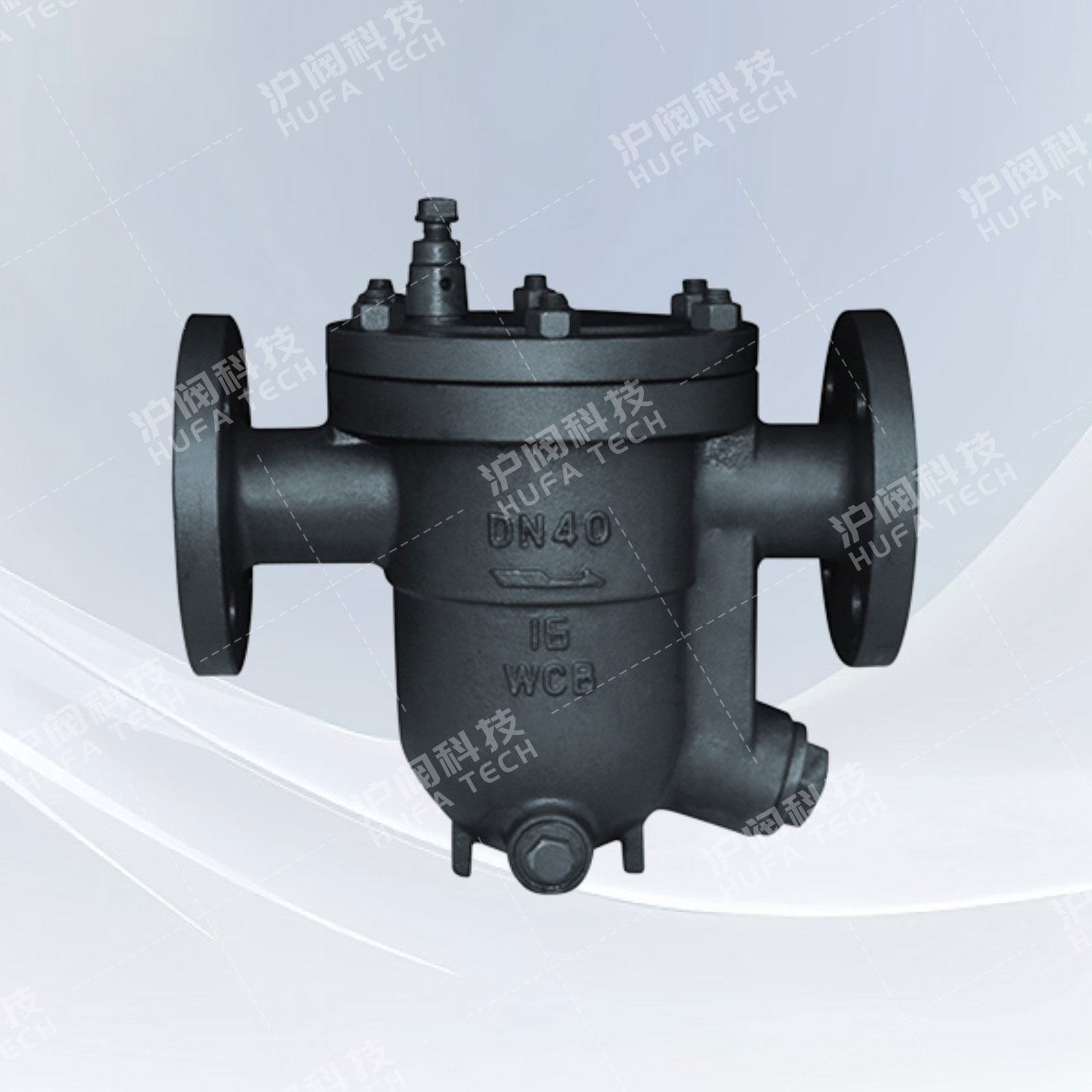
 Check the mobile website